
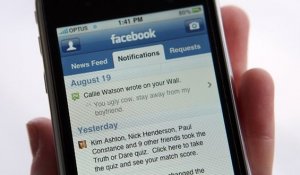
In a recent survey by Ditch The Label (2017), 17% of young people have experienced cyber bullying.
39% had a nasty comment posted on their
34% had a nasty comment posted on their photo
68% had been sent a nasty private message
18% had their profile wrongfully reported
23% had been bullied in an online game
24% had their private information shared
18% had somebody impersonate them online
41% had rumours about them posted online
27% had photos/videos of them that they didn't like
https://www.ditchthelabel.org/wp-content/uploads/2017/07/The-Annual-Bullying-Survey-2017-1.pdf
Unfortunately, unlike 'traditional' bullying that took place (and still does) in the playground, cyber and text bullying can continue long after schools have closed their gates.
Young people's internet survey facts...
Are you fed up of being lectured by teachers and carers about using the internet safely? OK - fair enough! Here's some straight facts from a survey of over 3000 year 6 pupils from Leicestershire in 2018.
60% of year 6's and spend more than 2 hours online a day
67% of those who spend 6+ hours a day on their devices feel they are 'addicted' to it.
95% said they have learned about internet safety in the last 12 months at school.
75% of these young people said this has changed the way they use the internet.
68% have a social network profile (eg Snapchat/Instagram)
23% said they have experienced someone saying something mean or unkind to them online or via a mobile or email.
9% admit to sending an unkind message to someone else.
13% said they have felt unsafe or uncomfortable online before.
You can find more great tips and advice on the 'Thinkuknow' website.
Here are similar responses from over 2500 year 9 pupils in Leicestershire in the same year:
When chatting to new people on camera, 28% had been threatened or blackmailed by someone they had met on webcam.
91% say they have learned about internet safety at school in the past year.
57% say it made a difference to how they use the internet.
8% arranged to meet someone they had met online.
42% went on their own.
21% have been threatened, insulted or harassed online or via a smartphone or email.
18% have had horrible comments about their profile
17% have had nasty or threatening direct messages
14% have had embarrassing picture sent without their permission.
How...?
Bullying on the Internet can happen in various ways:
- By using text/messenger apps/e-mail
- By targetting someone deliberately through the use of social networking sites
- By somebody setting up a site with the intention to 'victimise' an individual or group of people
- Through on line gaming
Some advice for children and young people:
- Tell an adult if you keep getting messages from names that you do not recognise.
- If the sender is known to you and has sent messages that have upset you in the past - ignore any new messages but tell an adult about it.
- Do not share your personal information (e-mail/phone number/address/school or real name) with anybody other than those you know very well and can trust.
- Do not send your picture to anyone that you do not know very well.
- Try to keep any unwanted messages in your phone as it can be use as evidence. If you can't then note the dates and times and content of text messages.
- Inform the Police - first you may want to talk to others you know you can rely on for support. Think about whether you want to talk to a member of your family, a teacher or someone else first? These and many more adults will be there to offer support for you to approach the Police.
- When you do notify the Police - make sure you have a written record of dates, times and content of messages, especially if you have not been able to store the messages on your phone.
- Sending threatening or bullying text messages is a criminal offence that the Police recognise as a crime.
Website Victimisation

Some advice for pupils, young people and parents:
- Contact your ISP (Internet Service Provider) and notify them of the problem. The person responsible for the site then can then hopefully be traced.
- Inform a member of school staff, especially if it is discovered that the site has been created by another member of the school community
Online Safety and LGBT young people
The internet gives young people unprecedented opportunities to engage with the world around them and interact with one another. The internet also plays an increasingly important part in young people's education and learning, something which many schools have been quick to grasp. For some young people, such as many lesbian, gay and bisexual people, the internet also provides a way to reach out to others having similar experiences to them, and can be a source of hope for young people who are having a hard time at school.
Unfortunately, as we're increasingly aware, the internet has a darker side. Young people are encouraged to develop an overly sexualised view of relationships as a result of the widespread prevalence of pornography and many young people are creating sexual images of themselves. Other young people find themselves on the receiving end of homophobic abuse online or at risk of exploitation from predatory adults.
The risks for lesbian, gay and bisexual young people can be more pronounced, either because they aren't given e-safety information which explicitly addresses their concerns in school or because they're scared to raise worries for fear of being judged about their sexual orientation. That's why Stonewall written the guide below, to help parents and teachers take the very simple steps to make their e-safety work relevant to all young people, and highlight how the best schools are already doing just that.
Stonewall staying safe online guide (PDF, 9.4 Mb)
Think U Know also have advice and information aimed at keeping LGBT young people safe online:
Resources - Cyberbullying
Websites
-
Thinkuknow is a website with many resources for teachers and professionals to download and use in the area of Internet safety. You will be required to register on the site before you are able to use the resources.
-
O2 have produced some useful guidance around cyber safety called 'Keeping Kids Safe'. The guidance is aimed at parents but useful for those working with young people too.
-
The Digizen website provides information for educators, parents, carers, and young people. It is used to strengthen their awareness and understanding of what digital citizenship is and encourages users of technology to be and become responsible DIGItal citiZENS.
Documents
Sharing nudes and semi-nudes: advice for education settings working with children and young people
Guidance on responding to incidents and safeguarding children and young people.
DfE Cyberbullying Advice for Headteachers and School Staff 121114 (PDF, 189 Kb)
Published in November 2014
